Discarded wings near a window in spring is a termite swarm, not flying ants, and it means a mature colony is already established somewhere in the structure. A colony can feed on structural wood for years before any visible sign appears on the surface, which is why routine inspection matters even without an active swarm.
We check the sill plate, foundation cracks, and crawl space for mud tubes and wood-to-soil contact before recommending treatment.
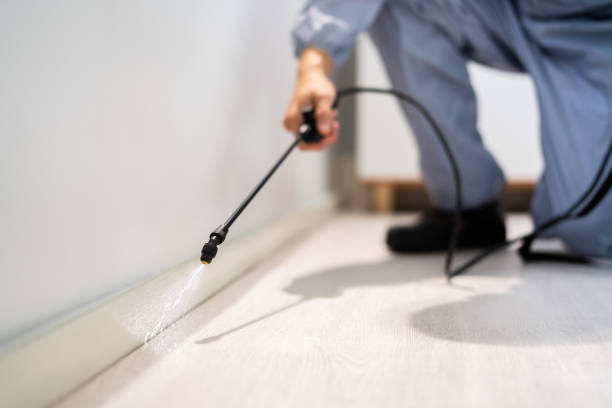
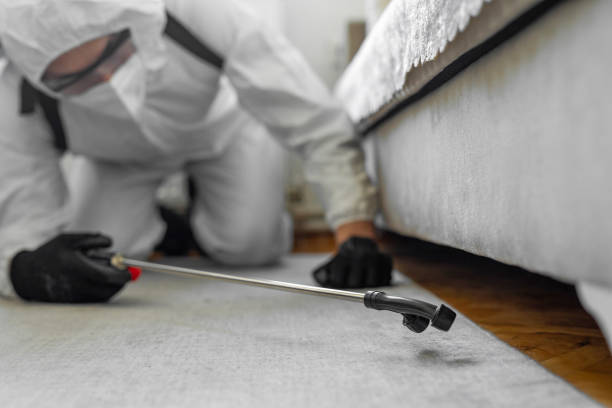

Our Termite Control crew is certified specifically for termiticide application, not general pest work.
Swarm season calls get priority scheduling since active swarmers mean a mature colony needs attention quickly.
You'll see one written quote before any termiticide is applied — no per-visit billing surprises.
Our inspection kit includes bore-scopes for checking wall voids without cutting into drywall unnecessarily.
A liquid barrier is trenched and applied along the full foundation line, not just the section where mud tubes were spotted.
Bait stations are placed around the property and checked on a monitoring schedule to catch new activity early.
We identify drywood frass (small pellet droppings) to pinpoint exactly which framing member needs treatment.
Photos of any damage found are included in the report so buyers and agents see exactly what was inspected.
We document damage severity so you or your contractor know which framing needs structural attention.
We set up recurring inspection schedules for Manteo commercial buildings with reports for property records.

Call +1-866-315-0243 and describe what you've seen — mud tubes, wings, or soft wood — so we can prioritize the inspection.
Our mobile units carry both liquid termiticide and bait station equipment for Manteo termite calls.
We trace mud tubes, check for wood-to-soil contact, and identify subterranean versus drywood species before quoting.
Guarantee coverage means continued activity within the guarantee window gets a free re-treatment.
The WDO report they provided was exactly what our lender needed for closing — saved us from a delay.
Knowing the difference between drywood and subterranean species mattered — our treatment was completely different than what a neighbor got for the same symptom.
Our office building needed a termite protection plan for insurance purposes and Nex Pest Control set up recurring monitoring with documented reports.
Bait stations were installed along our property line and the quarterly monitoring checks have been reassuring ever since.

Nex Pest Control dispatches termite-certified technicians throughout Manteo and nearby communities for both inspections and treatment. We cover single-family homes, multi-unit buildings, and commercial properties across Manteo with the same inspection standard and documentation.

Termite swarmers have straight antennae and a thick waist, unlike the bent antennae and pinched waist of flying ants.
Subterranean termites need soil contact and build mud tubes, while drywood termites live entirely inside dry wood without soil access.
Most lenders require a wood-destroying organism report as part of closing, and we provide one with full documentation.
Longevity depends on the product used and soil conditions, which we'll explain based on what's applied to your property.
Most subterranean treatments are done outside the structure, so interior disruption is minimal.
If monitoring shows continued activity, we return and address it at no additional charge under your plan.
One call to +1-866-315-0243 gets a certified termite technician on your schedule.
Call +1-866-315-0243